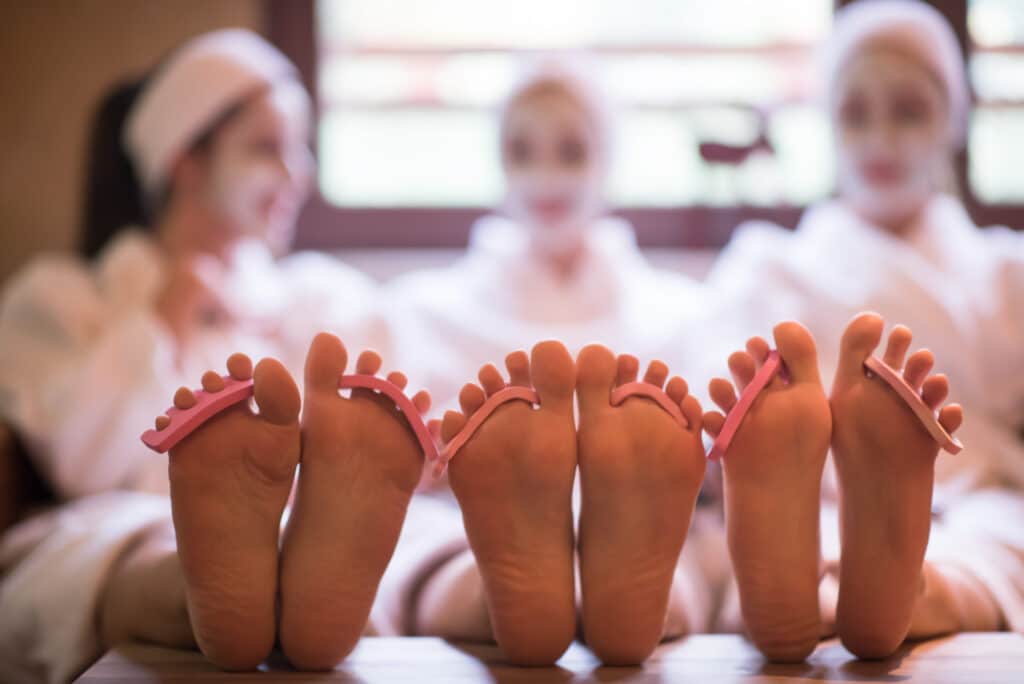
I’ll never forget the first time I stepped into a professional pedicure suite. The chair was a throne of comfort, the foot bath hummed with quiet efficiency, and the tools laid out on the stainless steel tray looked more like surgical instruments than beauty supplies. Everything had a purpose. Everything felt intentional.
As a new pedicurist, I quickly learned that your equipment is more than just a collection of tools—it’s the foundation of every successful service. The right supplies don’t just make your job easier; they ensure your clients’ safety, comfort, and satisfaction.
Here’s everything I’ve learned about building the ultimate pedicure supply kit, from basic essentials to professional upgrades, along with practical usage techniques and selection standards that every pedicurist should know.
The Foundation: Essential Pedicure Tools Every Professional Needs
A professional pedicure kit is not all about glamorous polish—it’s a fully equipped toolset that attacks dead skin, overgrown cuticles, and hard-to-reach spots to leave feet smooth, clean, and healthy. Let’s break down the must-have tools:
Nail Clippers & Nipper: Skip the dollar store specials—professional-grade nippers make clean cuts without tearing. For thick or damaged toenails, look for nippers with longer jaws (14mm) designed specifically for pedicure specialists, offering maximum cutting strength.
Cuticle Pusher: Metal pushers gently push back cuticles without causing damage. Unlike rubber variants, metal offers greater control and is preferred by professionals.
Cuticle Scissors/Nippers: After softening and pushing, these are used to trim any dead cuticle tissue with precision.
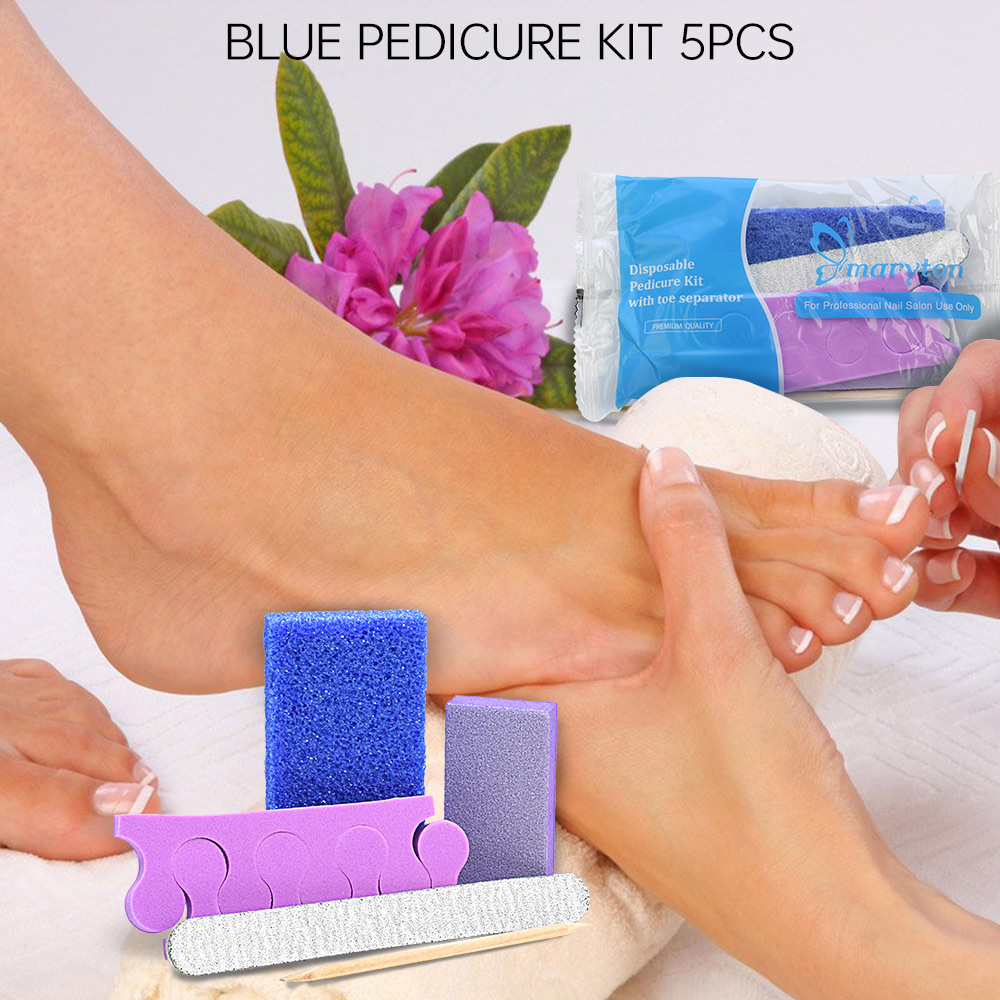
Foot File: Available in multiple variations—metal rasps, emery boards, pumice stones, and even electric versions. A range of grits (coarse for problem areas, finishing buffers for smooth results) is key.
Callus Remover/Callus Shaver: These specialized tools feature a sharp edge designed to carefully shave off thick, hardened skin located on heels, balls of the feet, or sides of the toes.
Toe Separators: Essential for keeping toes apart during polishing and preventing polish from transferring to adjacent nails or skin.
Material Matters: How to Choose High-Quality Supplies
The material your tools are made of directly impacts their performance and longevity. Here’s what professionals look for:
Stainless Steel is the gold standard. It offers durability, rust resistance, and ease of cleaning. Tools made from surgical-grade stainless steel assure durability and can be sterilized without rusting. This material also maintains its sharpness over time and is hypoallergenic for sensitive skin.
Lower-grade metals or plastics are prone to corrosion, dull quickly, and are harder to sanitize thoroughly. When building your professional kit, always opt for rust-resistant, medical-grade materials for hygiene and long-term value.
Advanced Equipment for Professional Services
Once you’ve mastered the basics, these upgrades can elevate your service quality:
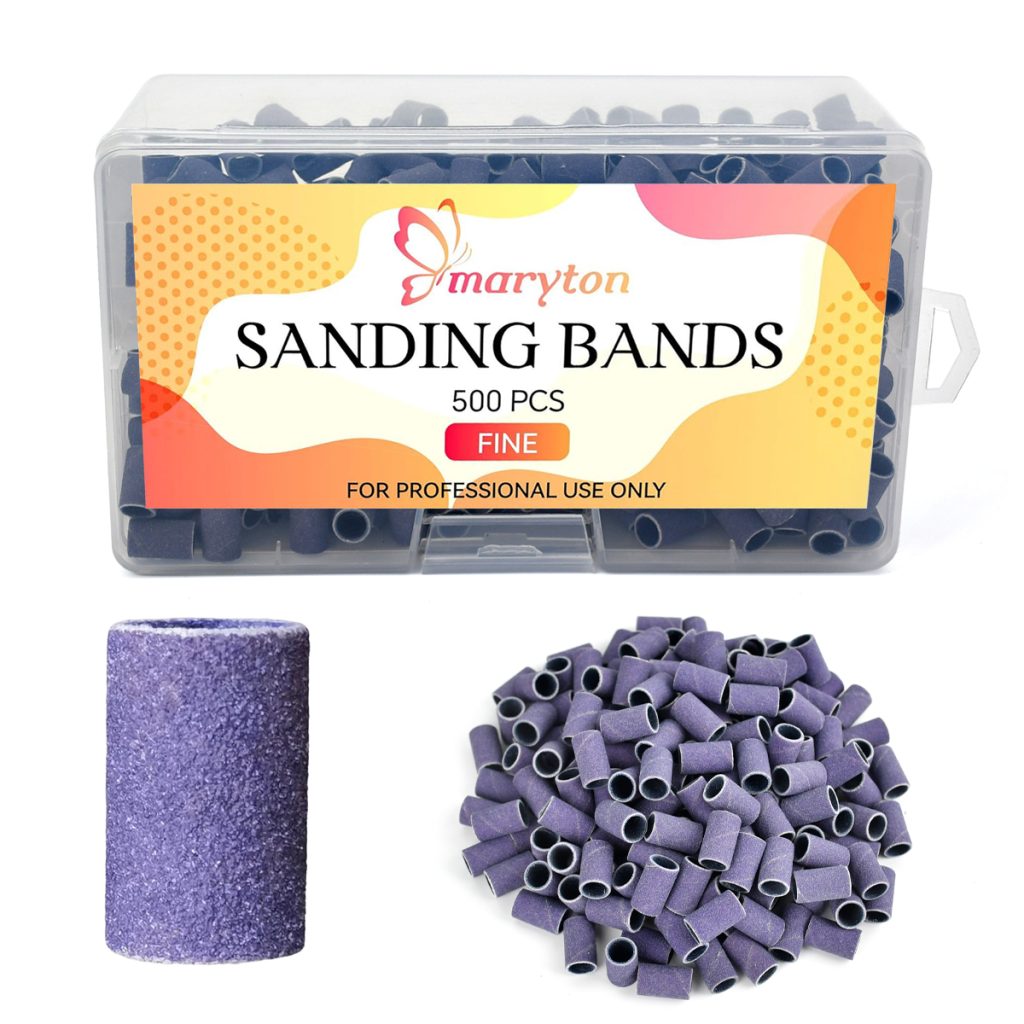
Electric Foot File / E-file: A quality electric file helps slough away dead skin efficiently without excessive manual effort. Modern models offer adjustable speed (0-30,000 RPM) and directional settings for both right-handed and left-handed use. Many professional kits include multiple metal drill bits and sanding bands for manicure, pedicure, polishing, and removing gel or calluses.
Pedicure Chair and Bowl: A proper pedicure chair with adjustable height and massage features isn’t just about client comfort—it’s about saving your back during those marathon pedicure days. Pair it with a bowl that’s easy to disinfect.
Paraffin Wax Treatments: This luxury upgrade offers ultra-soft feet and a spa-like finish that keeps clients coming back.
Heated Towel Cabinet: Provides warm, fluffy towels for that premium spa experience after massaging and cleaning the feet.
Pro Techniques: How to Use Your Pedicure Tools Correctly
Even the best tools won’t deliver professional results without proper technique.
Cuticle Work: Always soften cuticles first with a cuticle remover. Using your cuticle pusher, hold it at a 45-degree angle to the nail plate, lightly press down, and push back toward the cuticle. Avoid too much pressure to prevent injury. After pushing, use cuticle nippers to trim only dead, loosened cuticle—never living tissue.
Callus Removal: Callus shavers require finesse and accuracy. Use smooth, gentle strokes, applying light pressure. Excessive force can create cuts or irritation. Experts typically follow with other callus removers like foot files or pumice stones. The tool should have a stainless steel blade (sanitary and rust-proof) and an ergonomic handle for control.
Foot Filing: After soaking feet to soften the skin, towel-dry thoroughly, then apply the foot file to buff out rough patches—particularly heels and sides of the big toe. Regular filing not only enhances appearance but also prevents buildup of dead skin. For electric filing, run the e-file at about 4,000 to 6,000 RPM, allowing the sanding band to exfoliate the callus that has been softened by cuticle remover.
Nail Trimming: Trim nails straight across to prevent ingrown toenails. Leave a small amount of white at the tip. Use sharp, professional-grade nippers—dull tools crush rather than cut.
Hygiene and Maintenance: Non-Negotiable Standards
In the world of professional pedicure services, hygiene is paramount.
Sterilization: All metal tools that come into contact with skin must be properly sterilized between clients. Surgical-grade stainless steel tools can withstand high-heat sterilization without rusting.
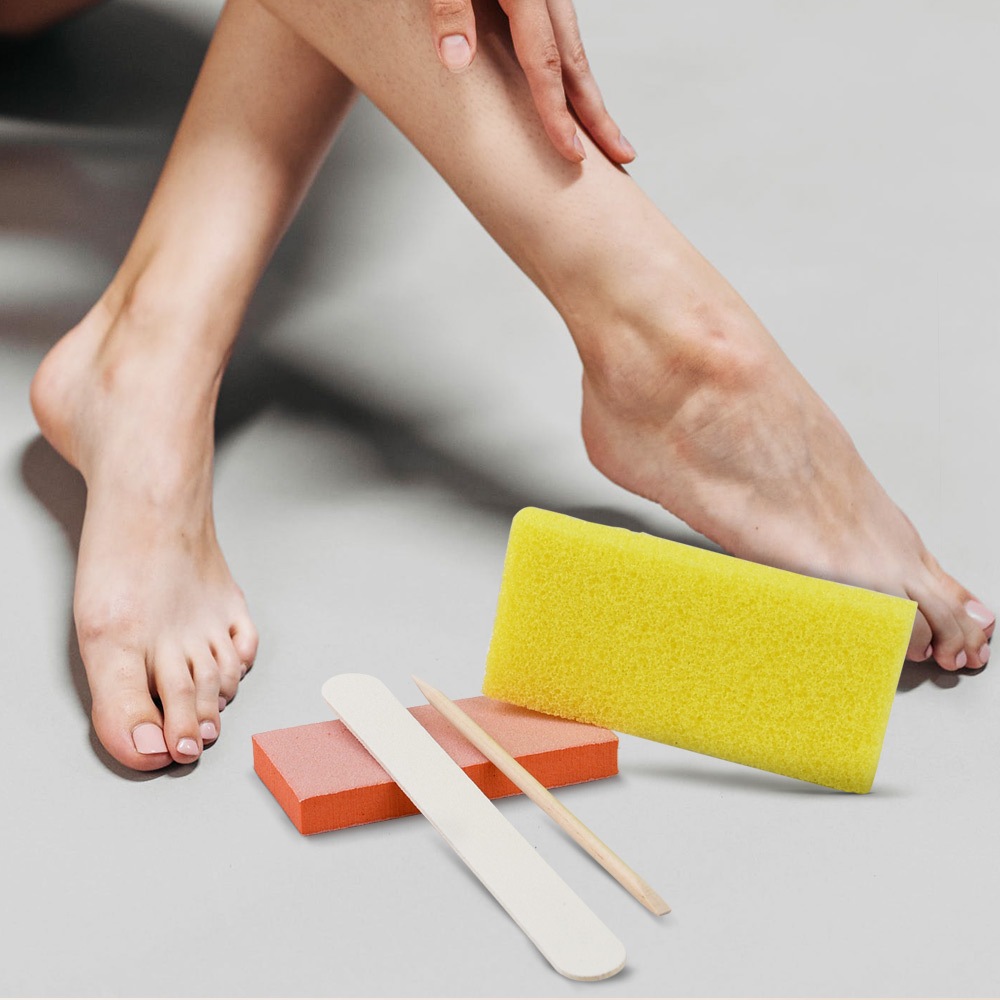
Disposable Supplies: Many professionals use disposable items for each client—liners for foot baths, pumice pads, toe separators, and cotton products. This eliminates cross-contamination risks.
Tool Care: Clean tools after each use. For stainless steel implements, wash with soap and warm water, dry thoroughly, and then sterilize. Never use damaged or rusty tools. Replace worn-out files, pumice stones, and dull nippers promptly.
Building Your Professional Kit: What to Look For
When selecting supplies for your professional practice, consider these standards:
Ergonomics: Tools should feel balanced and comfortable in your hand. Ergonomically designed instruments reduce muscle strain during long workdays.
Durability: Professional tools are an investment. Quality instruments, like those made from stainless steel, offer longevity and resistance to corrosion.
Brand Reputation: Trusted brands with decades of experience often provide superior craftsmanship and quality assurance.
Complete Kit Options: Many manufacturers offer comprehensive professional manicure and pedicure sets that include stainless steel nail clippers, scissors, cuticle pushers, and nippers for precise trimming, shaping, and cuticle management.
The Bottom Line
A professional pedicurist is only as good as their tools. Investing in high-quality, medical-grade stainless steel supplies, mastering proper usage techniques, and maintaining strict hygiene standards sets the foundation for exceptional service delivery.
Your tools are the instruments of your craft. Treat them with respect, care for them properly, and they will serve you well for years—creating happy feet and loyal clients along the way.
Read also: The Art of the Perfect Pedicure: A Guide to Happy, Healthy Feet