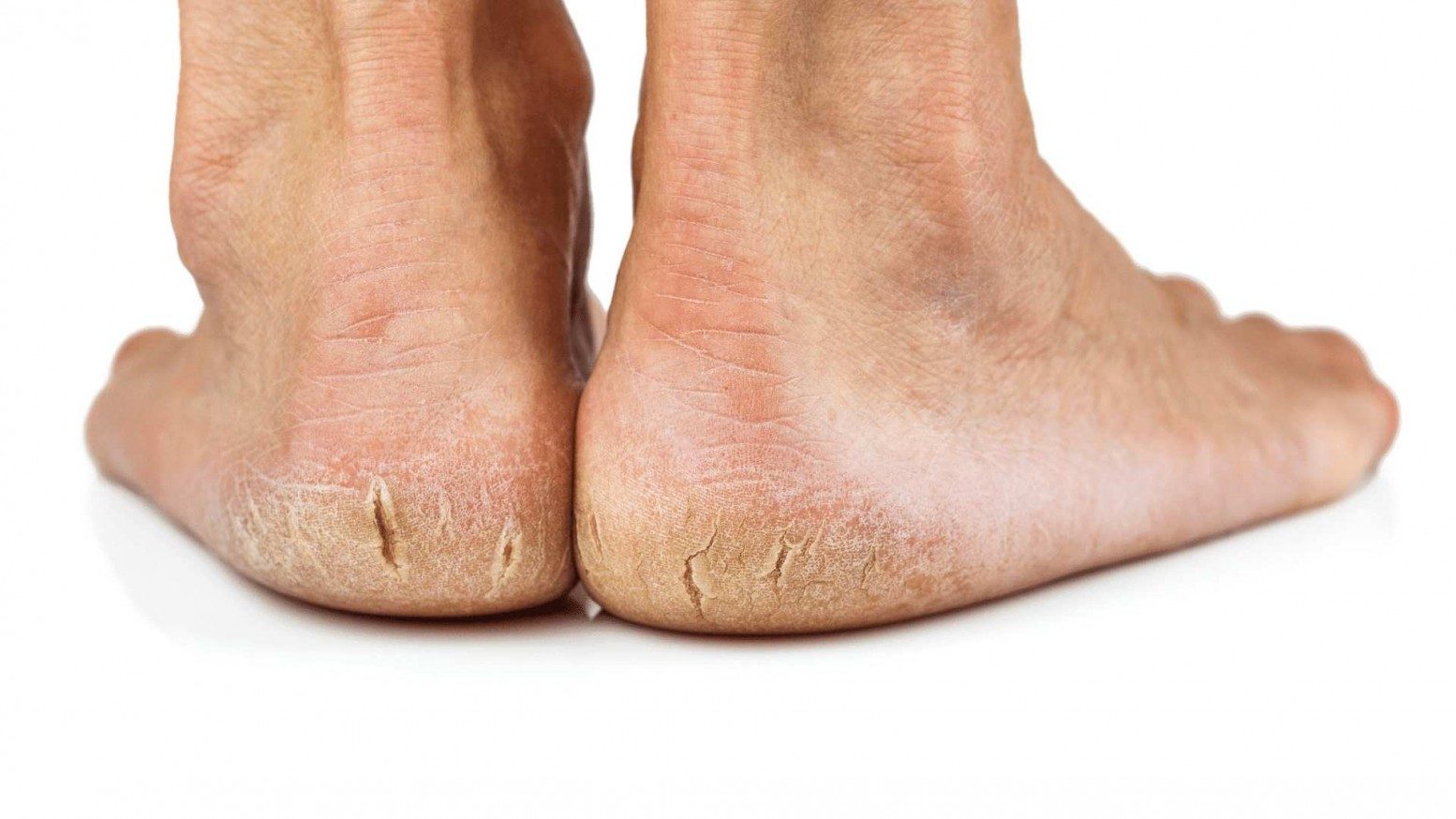
Our feet are subjected to excessive friction and pressure every day. To protect themselves and cope with all this stress, our skin thickens and hardens. This is a completely natural process, but it promotes skin dehydration. In the long term, this can cause calluses, corns, corns, and cracks.
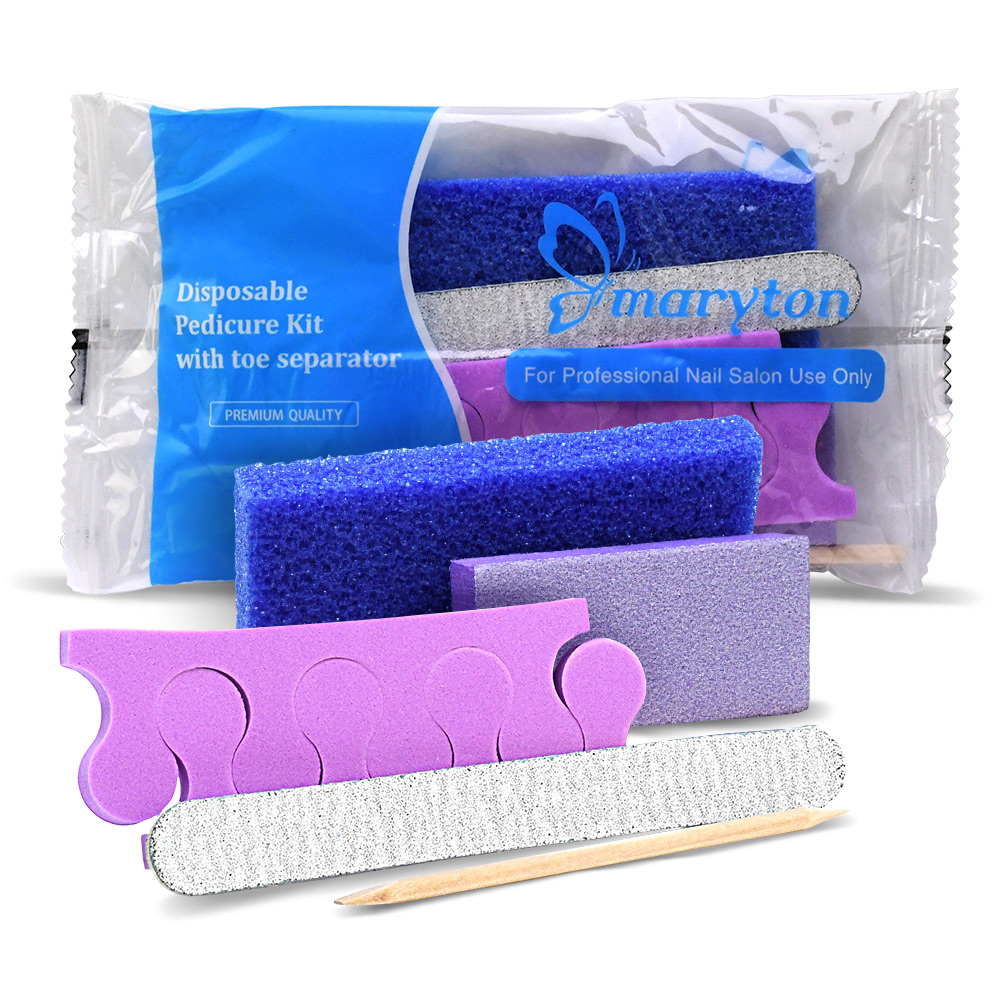
Using pedicure kit regularly is a natural way to care for your feet. Certain actions, such as choosing the right shoes or using Epsom salt foot baths, also help combat dry feet. In this article, we share with you the ideal routine and plenty of natural solutions to restore soft feet.
What causes dry feet?
The skin on the feet is naturally drier than the rest of our body. This dryness varies from person to person and can be contributed to by certain factors. The most common are:
Excessive foot perspiration: Excessive sweating contributes to drier skin. If you think you may be affected, discover our natural solutions to combat excessive sweating.
Using the wrong soap: Using soap that’s too harsh can promote the development of dry feet. Depending on its composition, certain substances can destroy the skin’s natural hydrolipidic film. Washing with very hot water and staying in the shower for long periods also exacerbate dry skin.
Wearing the wrong shoes: Some shoes can promote the development of calluses or corns. This is particularly the case with shoes that are too narrow and high-heeled shoes, which cause excessive pressure and friction on the skin. This is especially true when standing for long periods. Flip-flops and flip-flops are also a cause of dry feet. Since there are no straps to support the feet, the heels slap with every step. The repeated impact irritates the skin and contributes to the formation of corns.
Climate: Skin is often drier in winter due to the cold, dry weather. The intense summer heat, for its part, promotes dehydration of the skin’s surface layers.
Age: As we age, the sebaceous glands produce less and less sebum. The skin also becomes thinner, making it more sensitive to friction. Older people are therefore particularly affected by the problem of dry feet.
Certain sports activities: Athletes who engage in prolonged walking and running put a lot of strain on their feet. They are therefore more likely to have thicker, drier skin.
Foot deformities: Feet with deformities, such as flat feet or hallux valgus, are more subject to friction from shoes. Foot support is also disrupted, creating additional pressure that promotes the development of calluses.
Diabetes: When diabetes is not controlled, it can lead to dry skin. This is because when we have high blood sugar, our body needs more water, leading to skin dehydration.
What are the symptoms of dry to very dry feet?
Faced with the multiple stresses our feet experience daily, our skin tries to protect itself by producing more keratin. Initially, only the first layer of skin is affected, resulting in the formation of calluses and hard skin. We can then observe:
- Skin that is much less supple, harder, on: the heel, the sides of the foot, the arch of the foot under the toes, the outer side of the big toe, and on the pads of the toes
- Cracking and splitting, especially on the heel
- Skin that is rough to the eye and to the touch
- A feeling of tightness, even itching
- Skin that turns yellowish.
Long-term: What other symptoms can occur?
- Cracks: This is a complication of calluses. The skin cracks deeply, causing severe pain.
- Hard corns: These are small areas of skin that become very hard, generally on the outer side of the little toe or on the tops of the toes. Once established, they can be very painful.
- Soft corns: Also called “corns,” they form between the toes as a result of repeated friction. They are white, round, and have a black dot in the center of the lesion. They are also painful and can become infected if macerated due to perspiration.
How to prevent dry and damaged feet?
Daily moisturizing is the best solution for beautiful, soft skin. However, certain actions and habits can help you preserve your skin and naturally prevent calluses.
1. Wear cotton socks: Natural fibers, such as cotton or bamboo, help regulate excess moisture. There are also seamless socks to limit unpleasant friction that can cause irritation.
2. Wear shoes that fit your feet: Choose comfortable shoes that feel good. This way, your feet won’t be subjected to excessive friction and overheating.
3. Drink enough: Proper hydration also starts from the inside out! Remember to drink between 1.5 and 2 liters of water throughout the day.
4. Eat a healthy diet: Diet also plays an essential role in maintaining the lipid barrier from the inside out. To do this, vary your diet by including flaxseed, rapeseed, and walnut oils, almonds, hazelnuts, avocados, and small fish. Don’t forget vegetables and fruits to stock up on vitamins and antioxidants.
5. Limit your consumption of green tea: The tannins in green tea give it an astringent effect that can worsen dry skin.
6. Limit your shower time: Overly long showers worsen dry feet. Also, avoid washing with water that’s too hot.
Precautions for Use
If you’re planning to make homemade foot care products, we recommend checking that all ingredients are compatible with your situation. For example, if you’re pregnant, avoid products containing essential oils.
We also recommend always testing on the inside of your elbow before using a new product. This simple habit allows you to check for an allergic reaction.
Read also: Your At-Home Pedicure Kit: A Beginner’s Guide to Happy Feet